
The 599 courses no one had ever approved
When you do the public’s business in public, you find what needs fixing — and people trust the outcome, even when it isn’t the one they wanted.
I keep coming back to one idea: it’s not our work; it’s the public’s work. Our state constitution is clear that officials do the public’s business, and it should be done in public. Voters delegate their authority to a board of trustees — and out of respect for that trust, the board should include the community in everything it does.
That’s not just a compliance box to check. When people can watch the real deliberation, they trust the outcome, even when it isn’t the one they wanted. So one of the first things I did was open our process up.
Open by default
When I first joined the board, our policy committee meetings weren’t even open to the public. So I insisted they be opened up — publicly noticed, with agendas that describe each item and the full text of every policy up for discussion posted in advance, changes shown in strikeout, in full compliance with the law, so anyone can see exactly what’s changing. I moved board and staff comments to the beginning of meetings; they used to come at the very end, to a mostly empty room. And I renamed the confusing old “Audience to Visitors” section to plain “Public Comment,” so people actually know it’s their time to speak. Small changes, but each one makes it a little easier to take part.
The audit that surprised everyone
The clearest example of transparency paying off was our curriculum review. A hot, divided debate came before the board, and everyone expected a quick, angry vote. Instead, we moved the meeting to a campus theater to fit the crowd, took input only, and did a careful, layered audit — checking state law against board policy, board policy against the administrative regulation, and all of it against the actual practice at each site.
That review turned up 599 courses being taught with no record of ever having been formally approved by the board — out of only about 650. It surprised all of us: the board, the administration, and our teachers alike. We didn’t paper over it and we didn’t panic. We built a work plan and brought every one of those courses into compliance, out in the open. And because we did it that way — slow, deliberate, evidence first — people on all sides of the original debate came away feeling heard.
Reporting back, and redrawing the map
I also launched an annual State of the District. Cities have a State of the City; our schools do just as much work that deserves to be reported out to the community in a straightforward, even celebratory setting, rather than buried in a board agenda.
And when we had to redraw attendance boundaries — and nothing, believe me, is more emotional to parents than which school their kids attend — we set our goals and criteria in public first, took about a year of community input, and the board actually changed the map in response to what we heard, rather than rubber-stamping a staff plan. People watched trustees argue passionately, and watched some of us change our positions based on what the public said. That’s not a bug in open government. That’s the entire point of it.
“When the public sees the real deliberation — including officials changing their minds — they trust the result. That trust is worth more than any quick vote.”
Transparency takes more time and more patience than doing things behind a closed door. It’s also the only way to earn the confidence of the families we serve. I’ll keep choosing it.
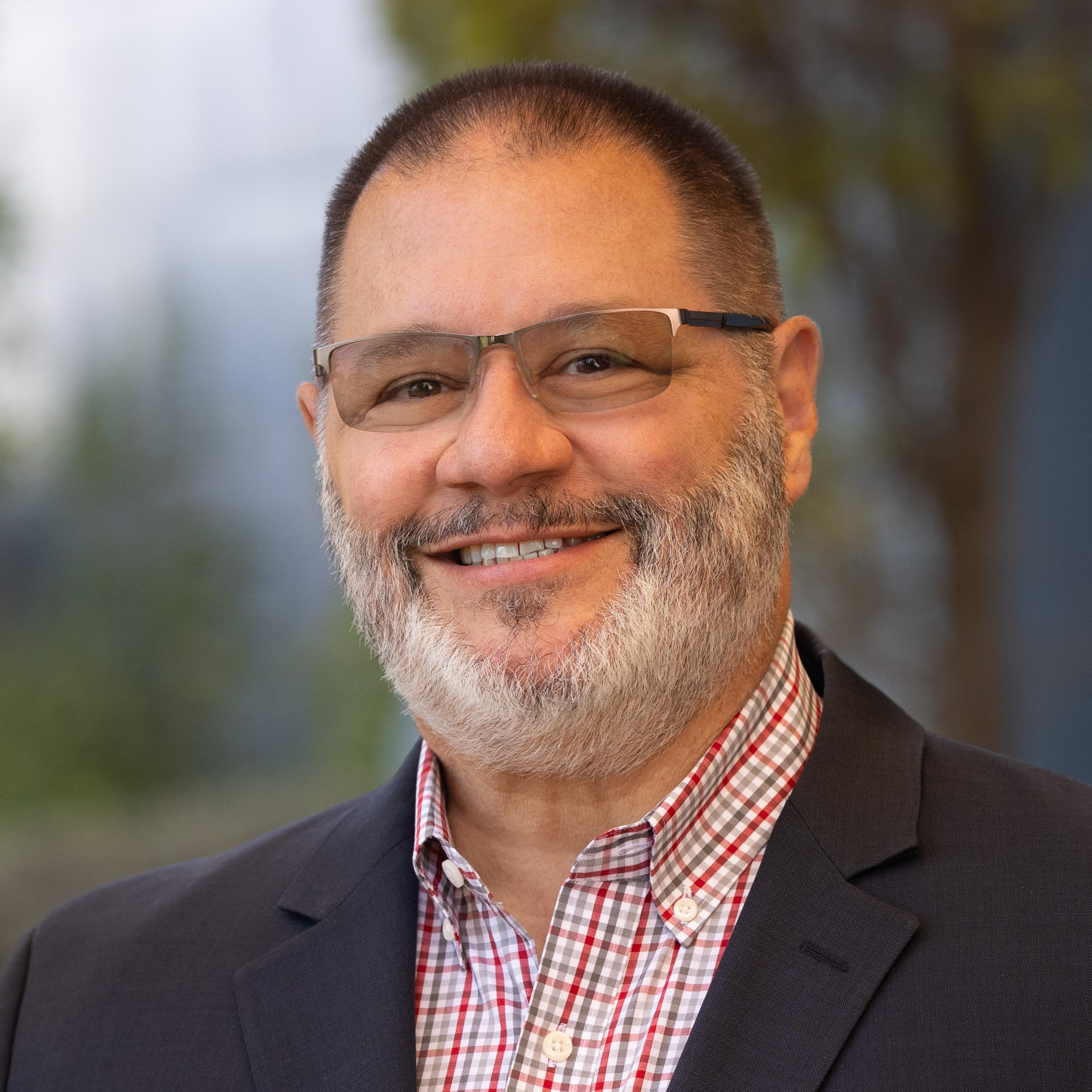
Pete Constant has chaired the board’s Policy Committee for six years, teaches public policy at the university level, and is RJUHSD’s Trustee for Area 2. See the full Transparency record →
If you want a board that does the public’s business in public, add your name.